Roof Orientation and Shading: Getting the Most From Solar Panels in Melbourne

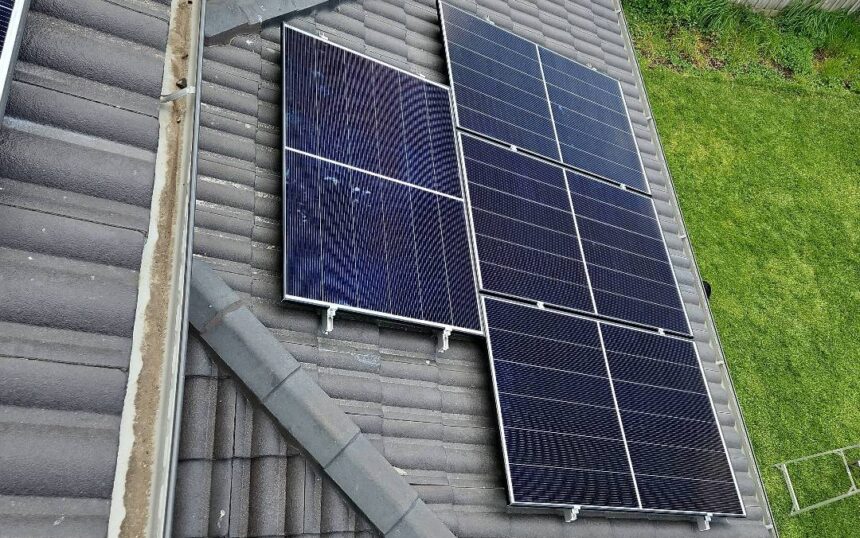
Short answer: in Melbourne, north-facing panels generally produce the most electricity over a year. East and west roofs still work well and can better match morning and evening use. Shading is usually the bigger risk, because even partial shade on a few panels can reduce output across a string. A careful site assessment matters more than chasing a perfect roof.
North-facing panels
In the southern hemisphere, the sun tracks across the northern sky. North-facing panels receive the most direct light across the year and especially in winter. If you have plenty of north-facing roof, it is usually the first choice.
East and west roofs
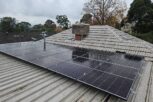
An east-west split spreads production across the day: more in the morning on the east, more in the afternoon on the west. Total yearly output is typically lower than north-facing, but the timing can suit households who use more power before work and in the late afternoon. With low export rates in Victoria, matching production to usage can matter as much as maximising generation.
South-facing roofs
South-facing panels on a pitched roof produce noticeably less, particularly in winter. They are usually a last resort unless the pitch is shallow.
Tilt
Most Melbourne roofs have a pitch that works well enough. Flat roofs can use tilt frames to angle panels north. Steeper tilts favour winter production; shallower tilts favour summer. Tilt frames add cost and wind-loading requirements, so they should be designed properly. See our mounting options.
Shading: the hidden output killer
Common causes include trees, chimneys, vent pipes, satellite dishes and neighbouring buildings. Shadows lengthen in winter, so a roof that is clear in summer may be shaded in June.
Ways to manage shading:
- Leave shaded areas empty rather than covering every square metre.
- Use an inverter with multiple inputs so differently shaded sections are tracked separately.
- Consider microinverters or optimisers where shade is unavoidable. Our inverter comparison explains the options.
- Trim vegetation you control, where permitted.
What a site assessment should cover
- Roof direction and pitch for each section
- Shading at different times of day and year
- Roof condition and material
- Access, fire setbacks and edge zones
- Inverter and cable routes
Frequently asked questions
Can I put panels on more than one roof face?
Yes. Many systems use two or three faces. The inverter design needs to account for each orientation.
Will a neighbour’s future extension shade my panels?
It is possible. Planning protections vary, so check with your council if you are concerned.
Get a roof assessment
Our solar panel installation process begins with a detailed look at your roof. Book a site assessment to find the best layout for your home.
Sources
- energy.gov.au – Solar (checked 29 Oct 2026)
- Essential Services Commission – Minimum feed-in tariff (checked 29 Oct 2026)