When Should You Replace a Solar Inverter? Signs, Options and Rules

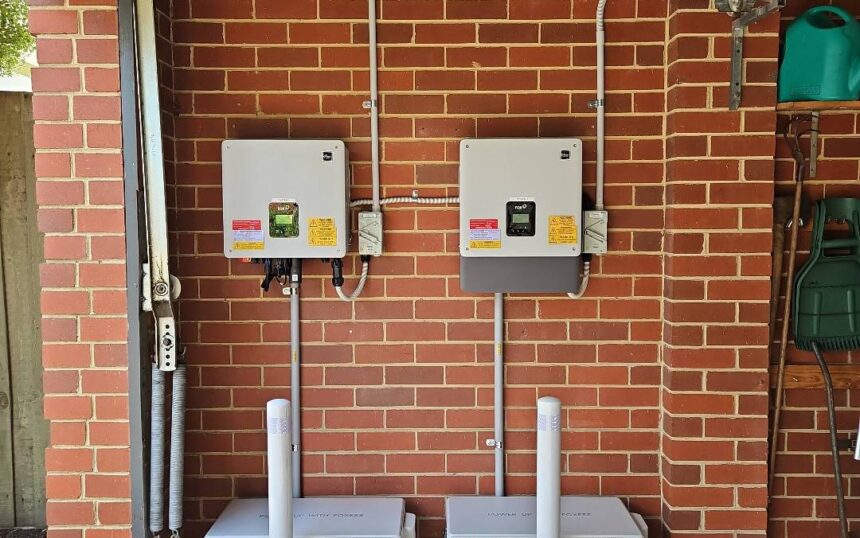
Short answer: replace a solar inverter when it has failed and cannot be repaired under warranty, when faults keep recurring, or when you want features it cannot provide, such as battery support. Inverters usually wear out before panels do. In Victoria, a replacement inverter must meet current requirements, including the emergency backstop.
Signs your inverter may be failing
- Error codes or warning lights on the display
- Zero or very low production on sunny days
- The monitoring app has stopped reporting
- Frequent shutdowns or reconnections
- Unusual noises, burning smells or heat damage
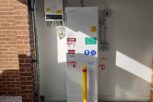
If you notice smells, scorch marks or heat damage, switch off the system using the shutdown procedure and call a licensed electrician. Do not open the inverter yourself.
First steps
- Note any error codes and take a photo of the display and label.
- Check your monitoring history to see when production changed.
- Find your warranty documents and installation date.
- Contact your installer or the manufacturer’s Australian support.
Repair or replace?
If the inverter is under warranty, the manufacturer may repair or replace it. Out of warranty, repairs are not always available or economical. Replacing an older inverter can also be a chance to upgrade.
Upgrade options
- Like-for-like string inverter: simplest if you do not plan a battery.
- Hybrid inverter: lets you add a battery now or later. Check that the battery you might choose is compatible.
- Microinverters or optimisers: worth considering if shading has always limited output.
Our inverter comparison guide explains the differences.
Rules that apply in Victoria
Energy Victoria states that the emergency backstop applies to new, upgrading and replacement systems, including legacy systems up to 200 kVA that have their inverter replaced. The new inverter must be compatible and connected. Your distributor may also need to be notified, and the work must be completed by a licensed electrician with a certificate of electrical safety.
Does a new inverter create STCs?
Generally, replacing an inverter on its own does not create new STCs for the existing panels. If you also add panels or a battery, those may be eligible under the relevant rules.
Frequently asked questions
Can I use a bigger inverter with my existing panels?
Sometimes, but the panel array, inverter rating and network rules must all line up. Your installer will check the design.
Will my panels still work with a new brand of inverter?
Usually yes, provided the electrical characteristics are compatible.
Get an inverter check
Cosmic Solar provides solar inverter installation and replacement across Melbourne. Browse the inverters we supply, read about the emergency backstop, or contact us with your error code.
Sources
- Energy Victoria – Emergency backstop mechanism (checked 29 Oct 2026)
- Clean Energy Regulator – Small-scale renewable energy systems (checked 29 Oct 2026)